
Welcome to the Glenn Scape Horticulture blog. We love helping Canberra gardens look their best. Our city has unique weather. We have frosty winters and hot summers. Therefore, your plants need special care. This post serves as a guide to prune flowering plants in our beautiful region of Canberra.
Proper pruning keeps your garden healthy. It also ensures you get the most beautiful blooms. Let us dive into the details.
Why Should You Prune Your Flowering Plants?
Many people feel nervous about cutting their plants. However, pruning is very helpful. It is like a haircut for your garden. First, pruning removes dead or diseased wood. This stops pests from moving in. It also keeps the plant strong. Second, it helps the plant grow more flowers. Specifically, it tells the plant to send energy to new buds.
Furthermore, pruning controls the shape. You do not want a bush blocking your driveway. Consequently, cutting it back keeps things tidy. Finally, it lets sunlight reach the middle of the bush. Sunlight is vital for growth.
Health and Safety
Pruning also keeps your home safe. For instance, heavy branches might break in a storm. You should remove them before they fall. Therefore, a guide to prune flowering plants must highlight safety first. Always look for “the three Ds.” These are Dead, Damaged, or Diseased branches.
When is the Best Time to Prune Your Flowering Plants in Canberra?
Timing is everything in horticulture. This is especially true in the ACT. Our timing depends on when the plant flowers.
Spring and Summer Bloomers
Most plants that flower in summer need a winter prune. You should wait until the plant is dormant. This usually happens in late July or August. Because they are “sleeping,” they do not feel the shock. Roses are a great example. You should prune them before the first spring growth.
Winter and Early Spring Bloomers
Do not prune these in winter! If you do, you will cut off the flower buds. Instead, prune them right after they finish flowering. Specifically, wait for the petals to fall. Then, give them a light trim. This encourages them to grow buds for next year.
The Frost Factor
Canberra gets very cold. Consequently, you must be careful. If you prune too early, new growth might start. Then, a late frost will kill the soft leaves. Therefore, wait until the worst of the cold is over.
Where Should You Make the Cut?
Knowing where to cut is a vital skill. You cannot just snip anywhere.
Look for the Bud
Always look for a “bud” or a “node.” This is where a new leaf will grow. You should cut just above the bud. Specifically, choose a bud that points away from the center. This makes the plant grow outward. It keeps the middle open for air.
The Angle Matters
You must cut at a 45-degree angle. The slope should face away from the bud. Therefore, rainwater will slide off the cut. It will not sit on the bud and cause rot. This is a key step in a guide to prune flowering plants.
Where to Remove Large Branches
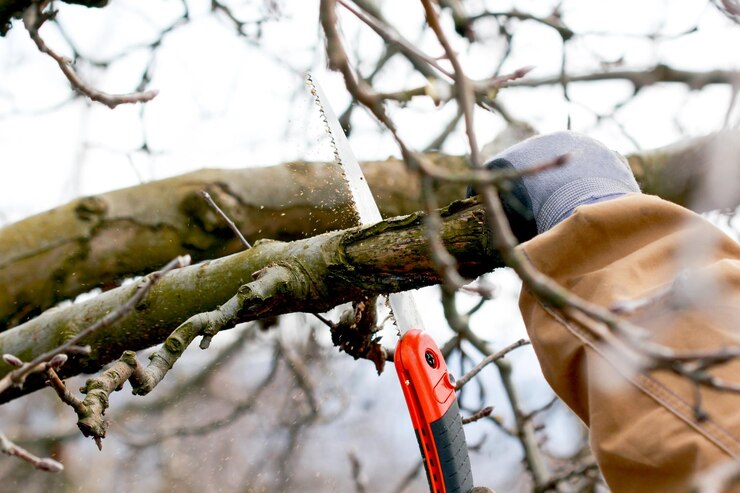
Sometimes, you need to remove a whole limb. Look for the “branch collar.” This is the wrinkled area where the branch meets the trunk. Cut just outside this collar. Do not cut flush against the trunk. The collar helps the tree heal quickly.
How to Prune Flowering Plants Like a Professional
Now, let us talk about the actual process. You need the right tools first.
Get Your Tools Ready
Sharp tools make clean cuts. Dull tools crush the stems. This can lead to disease. You will need:
-
Secateurs for small stems.
-
Loppers for thicker branches.
-
A pruning saw for big limbs.
Always clean your tools with rubbing alcohol. This prevents the spread of germs between plants.
The Step-by-Step Process
-
Step One: Look at the whole plant. Decide on the shape you want.
-
Step Two: Remove the three Ds. Cut off anything dead or broken.
-
Step Three: Thin out the middle. Remove branches that cross each other. They rub together and cause wounds.
-
Step Four: Cut back the remaining stems. Usually, you can remove one-third of the growth.
-
Step Five: Clean up the area. Do not leave old leaves on the ground. They hide bugs.
Tips for Specific Canberra Plants
Every plant has its own personality. Here are a few local favorites.
Lavender and Rosemary
These plants love the Canberra sun. However, they can get “woody.” This means they look like old sticks. You should trim them after they flower. But do not cut into the old, brown wood. They might not grow back. Just trim the green tips.
Hydrangeas
These are popular in older Canberra suburbs. They need a different approach. Cut back the stems that flowered this year. Leave the stems that did not flower. These will bloom next summer.
Native Bottlebrush (Callistemon)
Natives are very hardy. You can prune them quite hard. Cut them back right behind the spent flower heads. This keeps them dense and bushy. Consequently, you will see more birds in your garden.
Common Mistakes to Avoid
Even experts make mistakes. Here is what to avoid.
Over-Pruning
Do not take off too much at once. Usually, follow the “one-third” rule. If you cut more, the plant gets stressed. It might stop flowering entirely.
Leaving a Stub
Do not leave a long piece of stem above the bud. This is called a stub. Stubs will rot and attract fungus. Always cut close to the bud.
Pruning at the Wrong Time
If you prune in the middle of a heatwave, the plant might burn. If you prune before a frost, the plant might freeze. Stick to the schedule we discussed. This is the core of a guide to prune flowering plants.
Why Choose Glenn Scape Horticulture?
Pruning can be a big job. Sometimes, it is better to call a pro.
At Glenn Scape, we know Canberra’s soil and climate. We understand exactly what our local plants need. Our team uses the best tools. We also follow the highest safety standards.
Specifically, we can help with:
-
Large tree pruning.
-
Hedge shaping.
-
Fruit tree care.
-
Seasonal garden clean-ups.
We make sure your garden stays healthy all year. Consequently, you can just sit back and enjoy the view.
Conclusion
Pruning is an art and a science. It helps your garden thrive in the ACT. Remember to check your timing. Keep your tools sharp. Always look for the buds.
If you follow these steps, your flowers will be amazing. Your neighbors will surely be jealous of your blooms! Thank you for reading our blog. We hope this guide was helpful. Happy gardening!